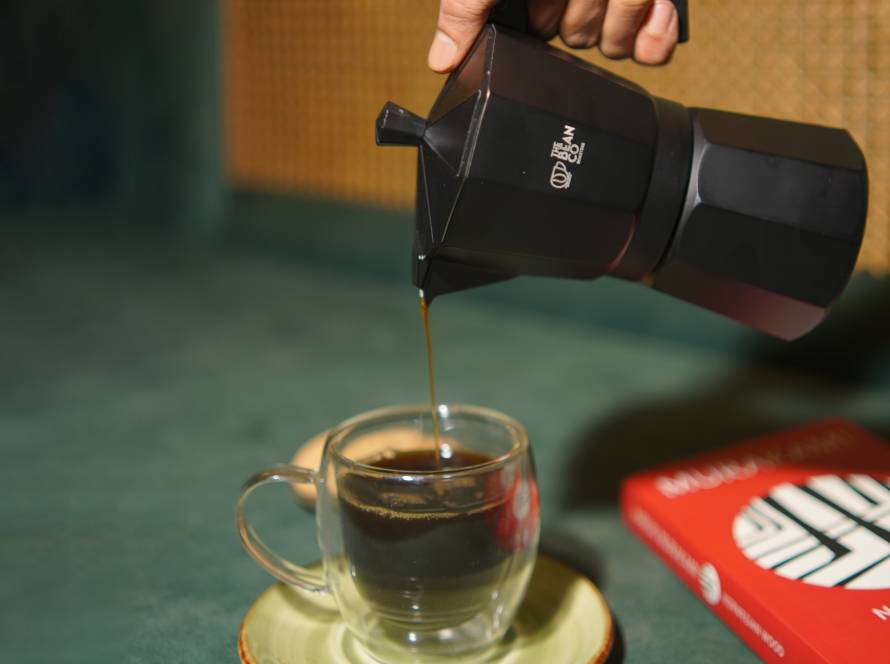
My coffee journey started in a place where “feel” was everything. No scales, no timers — just touch, sound, and instinct. The café owner I worked for believed that if you needed numbers, you didn’t have the touch to be a real barista. Beans were roasted to an inky black, blends were guarded family secrets, and brewing was more about tradition than precision.
But once I began exploring coffee beyond that café, I discovered something game-changing: coffee is alive. It’s seasonal, it ages, it loses freshness, and it reacts differently depending on how it’s roasted, ground, and brewed. Suddenly, relying on instinct alone wasn’t enough. If I wanted better coffee — consistently better coffee — I needed to start measuring.
And that’s where the humble coffee scale changed everything.
Why a Scale Matters
Most of us start brewing coffee by eye: a scoop here, a splash there. That’s fine if you’re casual about it, but coffee is incredibly sensitive to ratios. Even being off by a single gram can make the difference between a rich, balanced cup and something bitter or sour.
When I finally bought my first scale (a cheap little pocket model that read down to 0.1 grams), it transformed my espresso. Suddenly, I could see that my “18g dose” was sometimes 16.5g, sometimes 19g. No wonder my shots were all over the place! With a scale, consistency became possible. I could dial in a coffee and trust that my results would repeat.
The same applied to pour-over. Brewing by the golden 1:16 ratio (one part coffee to sixteen parts water) became second nature once I had accurate numbers. Pour 30g of coffee? That’s 480g of water. No guesswork. No waste. Just clarity in the cup.
Espresso: Taming the Variables
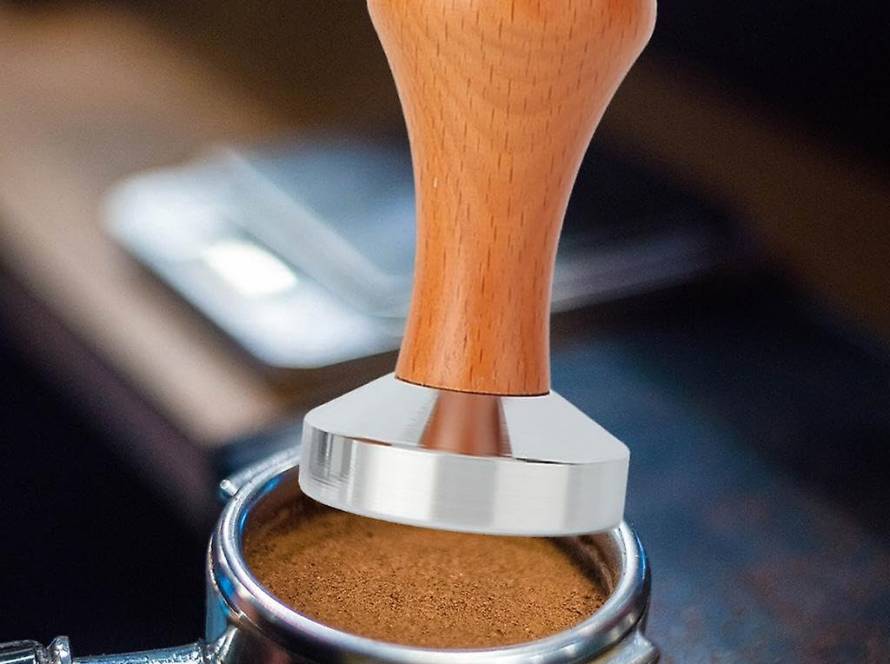
Espresso is unforgiving. A fraction of a gram too much coffee, a slightly uneven tamp, a few seconds too long — and you’ve got a messy gusher or a chokingly slow trickle.
Using a scale helped me see patterns I’d never noticed. Same grind setting, same 18g dose — yet one coffee would pull beautifully, another would gush. That’s when I realized roast level, bean age, and density all play a role. A scale doesn’t just help you brew; it teaches you how coffee behaves.
Over time, I got better at eyeballing doses, tamping evenly, and adjusting by feel. But the scale was always there as a safety net — keeping me honest, consistent, and improving.
Pour-Over: Precision Meets Flow
For pour-over brewing, a scale isn’t just about grams. It’s about timing and flow. Watching the numbers climb as I pour helps me stay steady, keep bloom pours consistent, and avoid flooding the bed of grounds.
With practice, the rhythm sets in:
- Bloom: double the coffee weight in water, over ~25 seconds.
- Brew: slow, even pours until the ratio is reached.
The result? Clean, bright cups that highlight the coffee’s character — not my sloppy pouring.
The Bean Co’s Take
Here’s the good news: you don’t need to spend a fortune to get this level of precision. My first $15 scale improved my coffee more than any shiny new machine or grinder ever did.
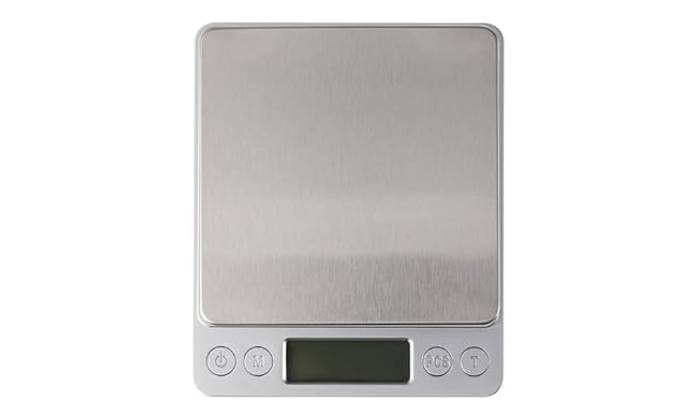
At The Bean Co, we believe great coffee should be accessible. That’s why our Digital Weighing Scale is built exactly for this purpose: accurate, responsive, and compact enough to sit under your espresso cup or pour-over brewer. It takes the guesswork out of your morning ritual — whether you’re brewing a classic espresso or chasing the perfect filter coffee.
Pair it with freshly roasted beans and a grinder you trust, and you’ll be surprised at how quickly your brews go from “good enough” to “wow.”
Final Brew
If you’re serious about better coffee, don’t overlook the simplest tool in the kit: a scale. It’s the bridge between guesswork and mastery, between inconsistency and confidence. And the best part? It doesn’t just make your coffee better — it makes you a better barista.
So next time you brew, measure it out. Your taste buds will thank you.